
admin
December 7, 2023
Christina Moniz, Financial Express
December 7, 2023
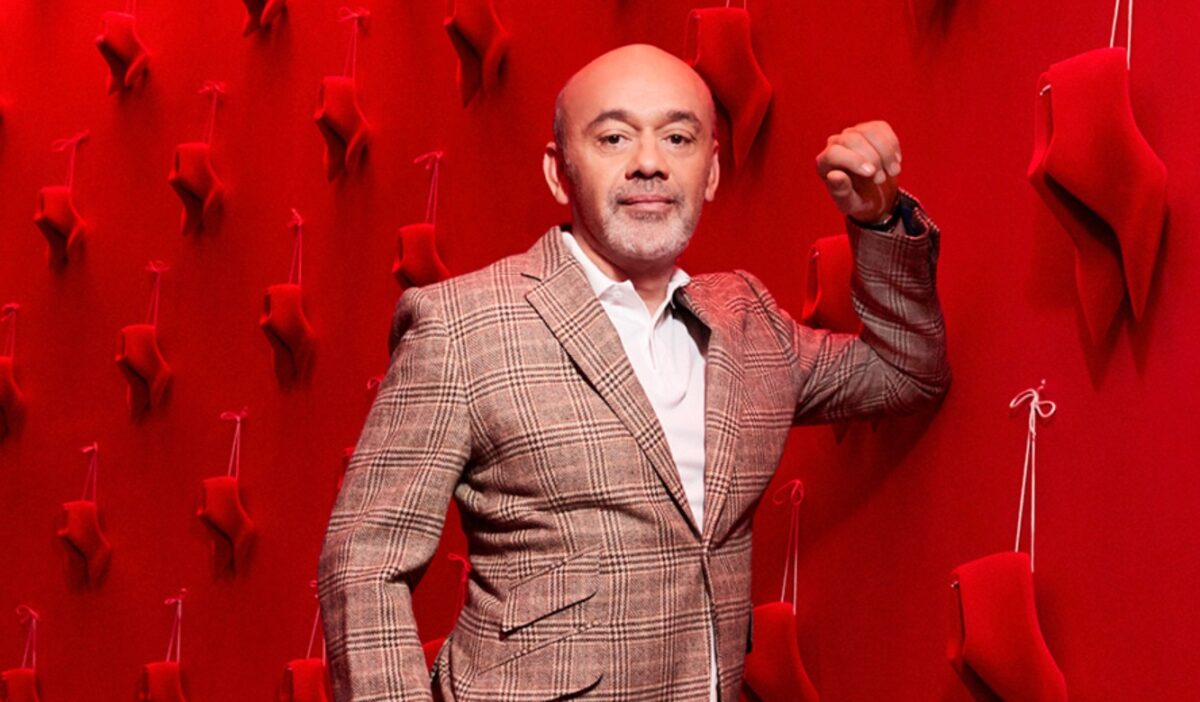
Aditya Birla Fashion and Retail (ABFRL) on Wednesday announced a partnership with Christian Louboutin, a designer brand known for its signature extremely high red-soled heels.
As per the terms of the deal, the current Indian business of the luxury shoemaker will be transferred into a newly-incorporated arm of ABFRL where the partners will hold equal stakes. Ashish Dikshit, MD, ABFRL, said in a statement, “This partnership… exemplifies our ambition to develop and shape the future of the luxury market in India.”
Christian Louboutin made its entry into the Indian market with its first store in Delhi in 2012 and later launched its second store in Mumbai. Announcing the JV, Alexis Mourot, Christian Louboutin Group CEO, said, “India is an extremely important market for us.”
The fact that luxury markets in Europe and even in China are seeing sluggish growth has made India a strong emerging opportunity for brands such as Christian Louboutin, note experts.
The brand, which was founded in Paris in 1991, has since diversified into categories such as handbags, accessories and beauty and is present in over 30 countries.
With this JV, ABFRL will be taking on Reliance Brands, which has partnered with global luxury brands such as Burberry, Ferragamo, Hugo Boss and Versace in India.
Devangshu Dutta, CEO of Third Eyesight, said, “For ABFRL, the ambition is to create a diverse portfolio of brands catering to a range of consumer segments.”
Having been in India for a while now, the Louboutin brand is well aware of the potential for growth in the market. One of the key factors driving growth for luxury is the rise of high net worth individuals (HNIs), which is the fastest growing anywhere in the world, say observers.
The number of ultra-high net worth individuals (UHNWIs) in India is expected to rise 58.4% in the next five years from 12,069 in 2022 to 19,119 in 2027, a report by Knight Frank said in May.
In recent years, India has also seen new luxury shopping destinations coming up in cities like Mumbai, Delhi and Chennai, but experts believe that the total addressable market and the number of luxury shopping centres are still small.
Though there is “potential”, notes Santosh Sreedhar, partner at Avalon Consulting, this segment will take a few years to really take off. “Luxury is a long-term game in India, which is why brands need to have Indian partners like Reliance and Aditya Birla with deep pockets and vision to stay committed for the long haul.” E-tailers like Tata Cliq are also enabling omnichannel growth, says Sreedhar.
With a revenue of Rs 12,418 crore, ABFRL has a strong network of 3,977 brand stores across the country. It is present across 33,535 multi-brand outlets and 6,723 points of sales in department stores across India as on March 31, 2023.
It has a repertoire of brands such as Louis Philippe, Van Heusen, Allen Solly and Peter England, besides long-term exclusive tie-ups with global brands like Ralph Lauren, Hackett London, Ted Baker and Galeries Lafayette. Among Indian designers, ABFRL has strategic partnerships with Shantnu & Nikhil, Tarun Tahiliani, Sabyasachi and House of Masaba.
(Published in Financial Express)
admin
December 7, 2023
Sharleen Dsouza, Business Standard
Mumbai, 6 December 2023
Godrej Consumer Products is test marketing its liquid detergent under the brand name ‘Fab’ in South India. While this is not the company’s first move in detergents, the launch is expected to give it a bigger play in the category, especially with a competitive price point of Rs 99 a litre. The company already has Godrej Ezee for winter wear wash.
Some other fast moving consumer goods (FMCG) companies are also entering new categories which are allied to their current businesses. Companies are chasing low-penetrated categories which offer high growth both in terms of revenue and margins, according to analysts.
For instance, Parle Products, known as a biscuits manufacturer, has re-entered the wheat flour (atta) market. Earlier in 1996, it had launched packaged wheat flour but exited the segment as the demand failed to pick up. “Now, the demand is much higher for packaged wheat flour,” Mayank Shah, senior category head at Parle Products, told Business Standard while explaining the re-entry into the category. The company already procures wheat flour in bulk for biscuits and therefore packaging and selling it also makes sense for us, Shah pointed out.
Known for its snacks and namkeens, Bikano Bikanervala Foods has entered the Indian spices category under the sub-brand ‘Swad Anusar’. It came as a natural progression for the company.
“The top masala companies have either established or expanded their position in the sector over the past year, which is believed to account for up to 36 per cent of India’s entire Rs 70,000 crore spice industry,’’ Manish Aggarwal, director, Bikano, Bikanervala Foods, said. The remaining 64 per cent of the market is disorganised. ‘’We believe it’s the right time to invest in the spices category and foresee growth in this dynamic segment,” Aggarwal added.
The brand is already established in people’s mind and these companies already have distribution in place, according to Rajat Wahi, partner at Deloitte India.
“As long as these are adjacent categories, the company can easily leverage the existing distribution and also target new customers. These categories are typically low penetrated categories which offer high growth and are fragmented due to regional brands being present, thus giving them a better opportunity to enter these categories,” Wahi said.
Brand expert Devangshu Dutta, founder at Third Eyesight, also believes that companies can easily use their existing distribution strength while expanding into related categories. “There has been a broad-based consumer growth over the years in these categories. Also, large companies find it difficult to grow after a point when present only in a certain categories,’’ Dutta said while explaining the significance of group synergies in launching new products.
(Published in Business Standard)
admin
December 4, 2023
Sharleen Dsouza, Mumbai
3 December 2023
Hindustan Unilever (HUL)’s decision to split its beauty and personal care division and place a renewed focus on digital has been driven by its aim to serve the consumer of tomorrow, say analysts and brand experts.
HUL Managing Director and Chief Executive Officer Rohit Jawa is looking to make the company ‘future ready’, and while these bets are not for the short-term, they will eventually pay off as the Indian consumer is young and digital friendly, they add.
“Rohit Jawa comes with digital experience and he is preparing to steer HUL into serving the future consumer who is more digital friendly,” said Sachin Bobade, vice president at brokerage firm Dolat Capital.
On Friday, the consumer major also announced that it had named Arun Neelakantan its chief digital officer effective January 1. Neelakantan, who the company said was brought in to unlock growth opportunities by leveraging India’s digital ecosystem, will also join the company’s management
committee. Neelakantan is the first chief digital officer of the company who will be part of the company’s management committee.
Brand expert Devangshu Dutta, founder of business management consultant Third Eyesight, said that HUL was a traditional company but had never shied away from experimenting with different models of customer engagement.
“The profile of the younger Indian consumer is more digital friendly. This move won’t fundamentally shift the company’s business in the short term, but it is creating a connect with the younger consumer group which will be the mainstay for the future,” said Dutta.
On Friday, Jawa had said: “As we embark on our next phase of growth and transformation, we will combine our scale and discipline with innovation and agility to serve our consumers even better, and build a future-fit business,” adding that beauty and personal care continued to be a source of value creation for the company.
(Published in Business Standard)
admin
November 20, 2023
Christina Moniz, Financial Express
November 20, 2023
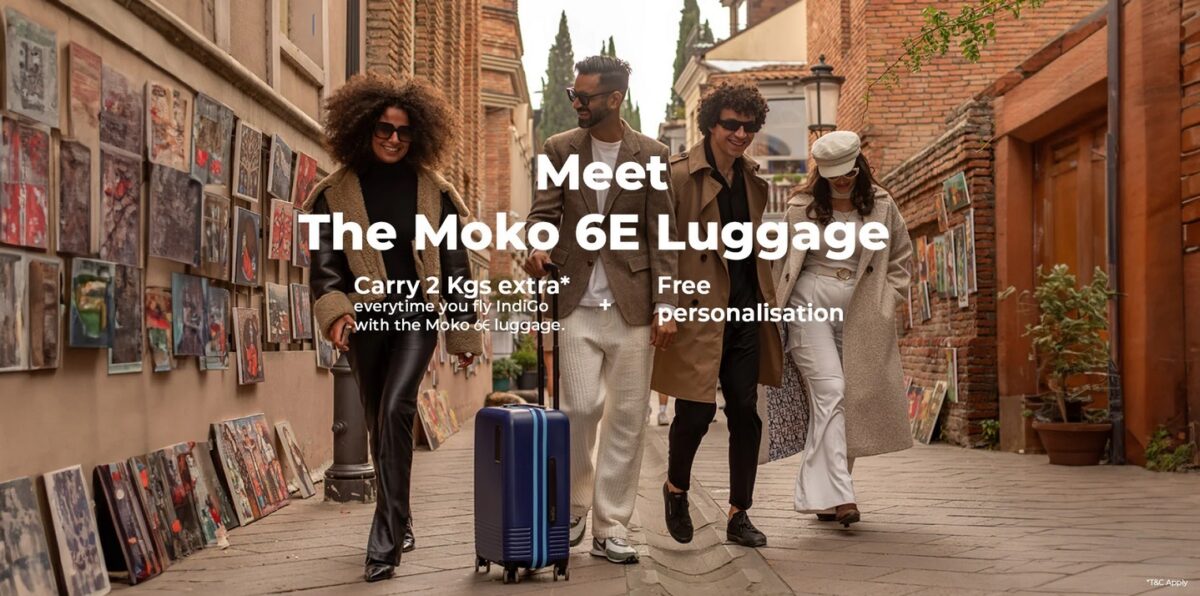
he country’s largest airline IndiGo just announced the launch of a premium luggage range in collaboration with actor Deepika Padukone-backed lifestyle brand Mokobara. The new luggage collection, Moko 6E, offers a check-in bag and a cabin bag in the signature IndiGo blue.
IndiGo has sweetened the deal for its passengers, offering customers an extra 2 kilos of baggage allowance for one year after purchase at no additional cost. With a starting price of Rs 9,999 and a six-year warranty, IndiGo says it is looking to reach more discerning consumers who travel for business or leisure.
The airline already enjoys a substantial share of over 60% in India’s domestic civil aviation sector as per DGCA data. So why is it making its way into the Rs 50,000-crore luggage market in the country? According to an IndiGo spokesperson, the aim is to leverage the carrier’s strong brand presence to target modern Indian jet setters and create a seamless travel experience.
Vejay Anand, CEO, Ironhill India, points out that balancing creating a new identity for the luggage line while leveraging the well-established airline image without diluting its core values will be a delicate task. “This venture was more than a market expansion; it was about intertwining their brand heritage with travellers’ lives, ensuring passengers carry the airline’s reliability beyond flights,” he remarks.
Navigating the market
Although the luggage market is huge in the country, industry reports estimate that the organised and branded segment is around 40% with players like VIP Industries and Samsonite taking up the lion’s share. Devangshu Dutta, CEO of Third Eyesight notes that rather than the potential quantum of business, it is more relevant to see a brand collaboration such as this as helping both companies create a buzz in the market. He observes that there is some degree of resonance in the design philosophies of both brands, pitched largely to millennial consumers.
Ambika Sharma, founder & MD of creative digital agency Pulp Strategy, observes that the carrier’s decision to enter the luggage segment could offer several advantages for IndiGo the brand. “Expanding into luggage provides IndiGo an opportunity to showcase its brand beyond the airline industry, strengthening its overall brand image and positioning it as a lifestyle brand. Offering a branded luggage line can enhance customer loyalty and engagement by providing travellers with a convenient and consistent travel experience,” says Sharma.
She however adds that making a mark in a competitive market with established players will be a challenge for the company. She cautions, “Consumers may not immediately associate IndiGo as a luggage brand, requiring significant marketing efforts to establish brand recognition. Creating a unique selling proposition that distinguishes the Moko 6E luggage from competitors is crucial. Effectively managing logistics and supply chains is critical to ensure timely product delivery and customer satisfaction.”
That said, India is a predominantly price-sensitive market where prominent brands sell luggage for as low as Rs 1,999, the brand may eventually have to revisit its pricing strategy if it has to compete with established players. “By offering a range of pricing options, IndiGo could cater to a wider set of consumers, potentially appealing to different market segments. This would ensure a more comprehensive market penetration while retaining its premium positioning,” states brand expert Anand.
With this association, the collaborator brand, three-year-old Mokobora, a premium travel and lifestyle brand established as recently as 2020, could also get a leg-up in terms of both visibility and accessibility. Anand notes that the lifestyle brand will, through this collaboration, be able to reach out to an audience of about 3 lakh or more air travellers in the country every day.
As of October this year, IndiGo has over 2,000 scheduled daily flights which include cargo operations, as well as CAPF and Army charters, allowing Moko 6E to reach a significant number of travellers daily.
(Published in Financial Express)
admin
November 4, 2023
Faizan Haidar, Economic Times
4 November 2023
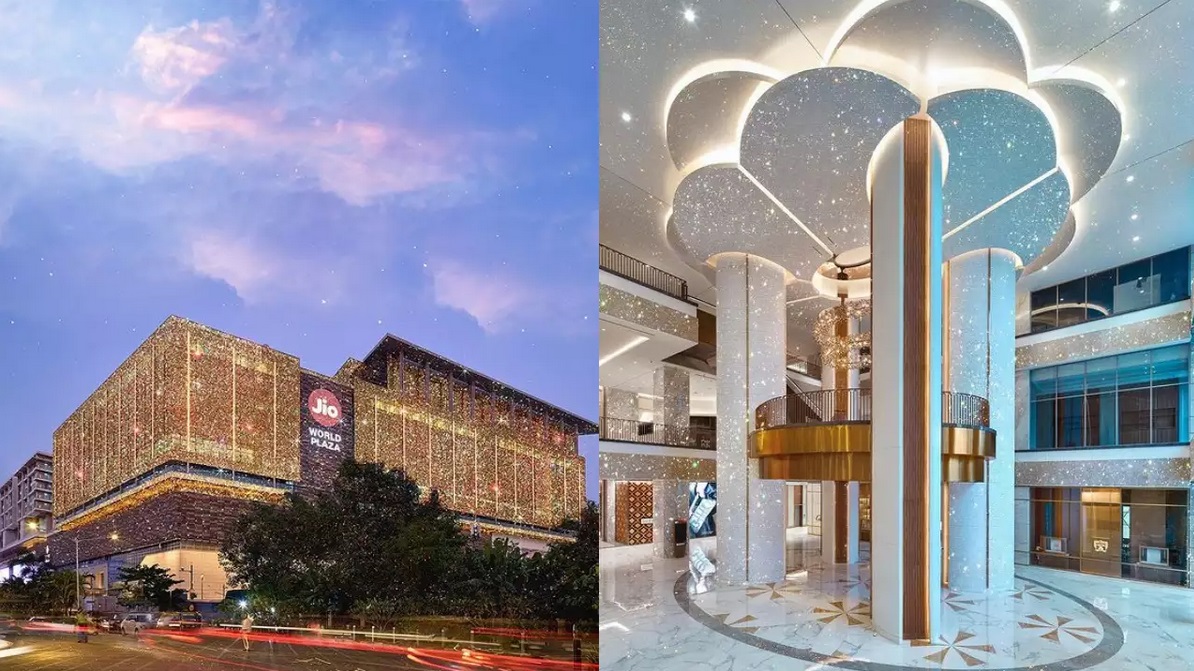
Some of the super-luxury brands that have opened stores at the recently inaugurated luxury mall, Jio World Plaza in Mumbai, have put in a condition that at least four top brands – such as Louis Vuitton, Gucci, Cartier, Burberry, Tiffany, Valentino, Bulgari, Zegna, Giorgio Armani and Bottega Veneta – should be present in the same complex, to ensure the position of their brands is not diluted.
ET has seen copies of the agreements between Reliance Industries, the owner of Jio World Centre, and five brands, accessed through data analytic firm CRE Matrix.
Reliance Industries and the brands did not respond to emails seeking comment till press time on Friday. Brands often have an exclusivity clause with the mall where they don’t want competing brands near their stores. However, in the high-end segment, to ensure a similar buyer profile, they want similar stores nearby. Jio World Plaza already meets the condition with several of these super-luxury brands having opened their outlets there.
“If at least four among the mentioned brands are not open within six months of us starting the operation, we should be entitled to a reduction of the licence fee by 25% for the period that this criteria remains unfulfilled,” Christian Dior Trading, which will operate Dior, has said in the agreement.
Dior will pay ₹21.56 lakh in monthly rent for a 3,317 sq ft space in the complex. Gucci has given a list of six luxury brands – Louis Vuitton, Dior, Cartier, Bulgari, Valentino and Burberry – and demanded that at least four have to be represented in the shopping centre.
Louis Vuitton, Cartier and Bulgari have also put in similar conditions. Most of them have kept the right to terminate the agreement after serving the notice for nine to 12 months.
“In the super-luxury segment, most of the brands complement each other and that is why they want the presence of these brands next to each other. Good mall developers also go with zoning of brands and don’t want to mix the super-luxury brands with the premium or mid to premium brands. As more luxury brands are contemplating India entry, we will see more luxury spaces coming up,” said Devangshu Dutta, founder of retail consulting firm Third Eyesight.
India only has a handful of malls that give space exclusively to super-luxury brands.

