
admin
June 30, 2022
Written By Aditya Kalra & Abhirup Roy

MUMBAI, June 30 (Reuters) – Reliance Industries (RELI.NS) said on Thursday it would open outlets of Pret A Manger in India under a franchise deal with the British sandwich and coffee chain, a first foray by the Indian firm in the country’s growing food and beverage industry.
Reliance Brands Ltd (RBL), a unit of the conglomerate that also runs India’s biggest retail chain, would start by opening branches of Pret, as the brand is known in Britain, in big Indian cities, both companies said.
RBL Chief Executive Darshan Mehta said in joint statement the partnership was “rooted in the strong growth potential” of the Pret brand, known for its organic coffee and upmarket sandwiches, and the Indian food and beverage industry.
The first outlet would open in Mumbai before March 2023 and India was expected to become one of Pret’s top three markets in three years, a source familiar with the matter told Reuters.
Pret A Manger, whose name means “ready to eat” in French, first opened in London in 1986. It now has 550 outlets globally, including in the United States and several European states. It is owned by investment group JAB and founder Sinclair Beecham.
In India, the brand will compete with Starbucks (SBUX.O), which has a joint venture with India’s Tata, and Costa Coffee, which is owned by Coca-Cola (KO.N).
Mukesh Ambani, one India’s richest men, runs Reliance, which has more than 2,000 supermarkets and grocery stores in India. Reliance also has partnerships with luxury brands, such as Burberry and Jimmy Choo.
“Reliance wants to look at retail in all its shapes and forms. Over time, they’ve realised partnerships are the way for business formats that may be difficult or slower to crack,” said Devangshu Dutta, head of retail consultancy firm Third Eyesight.
Source: reuters
admin
June 28, 2022
June 28, 2022
Edited by Surabhi Shaurya, India.com
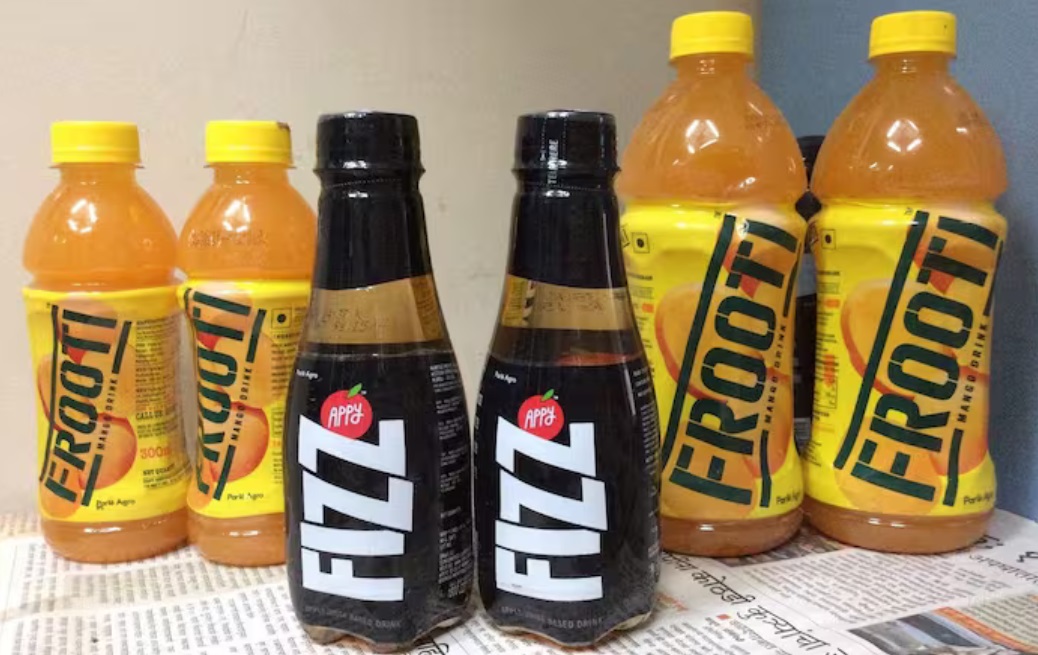
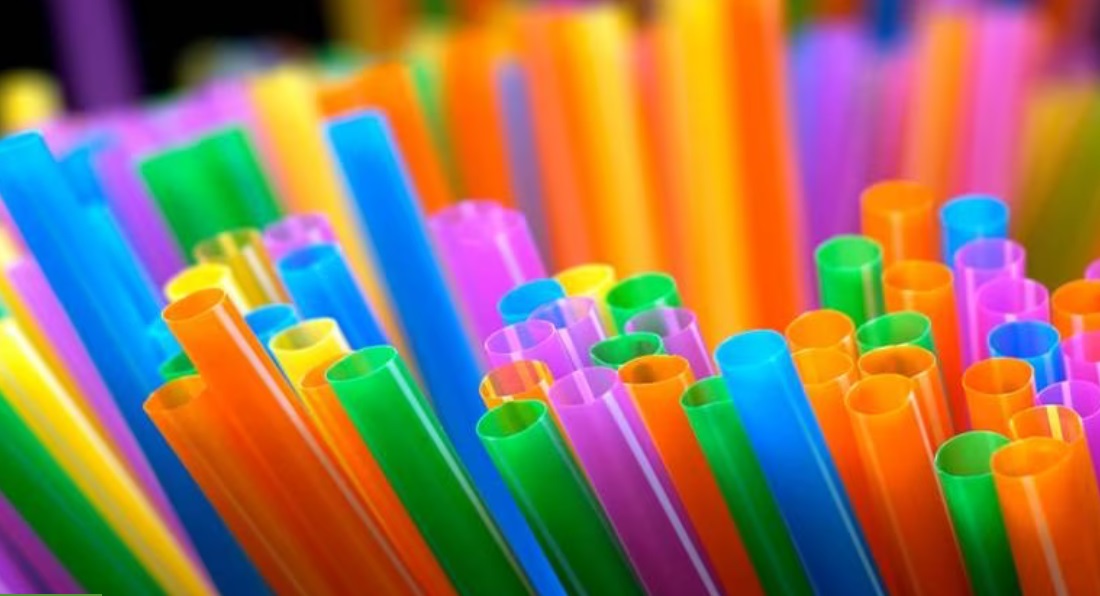
The blanket ban on single-use plastic items from next month poses a challenge to cool beverages such as Frooti, Real, Tropicana and Maaza. Earlier, beverage company Parle Agro, which owns Frooti and Appy had also urged the government to extend the deadline to implement the ban on plastic straws by six months. For the unversed, the government’s ban on single-use plastics, including plastic straw, is going to be effective from July 1, 2022.
Calling the government’s decision a ‘hasty ban’, Parle Agro had said it will ‘negatively impact’ overall businesses of the industry players in the FMCG (Fast Moving Consumer Goods) and beverage segment. “While Parle Agro endorses the government-led ban on the use of plastic straws, our plea is to postpone the implementation of the injunction by six months,” the company had said in a statement.
Amul Urges Environment Ministry to Postpone Ban
Besides, leading dairy firm Amul has urged the environment ministry to postpone the ban imposed on plastic straw by one year due to lack of adequate availability of paper straws in the domestic as well as international markets. “We have written a letter to Environment Secretary on the proposed ban on single use plastic straw,” Gujarat Cooperative Milk Marketing Federation (GCMMF) MD R S Sodhi had said last month.
GCMMF markets its milk and other dairy products under Amul brand. “The plastic straw in our butter milk and lassi is attached to tetra pack. It is part of primary packaging. So we have urged the Environment Ministry to include it as part of Extended Producer Responsibility (EPR) and recycling,” Sodhi said.
Amul needs 10-12 lakh plastic straws daily. Besides, Sodhi said, the company has urged the ministry to provide local industry one year to set up dedicated facilities for producing paper straws. “Paper straws are not available in domestic market. We don’t have capacity. We are not getting paper straws in international market,” he added.
Why Are Beverage Makers Worried?
To ensure a smooth transition to environment-friendly options like the paper of PLA straws, non-alcoholic beverage makers would require at least 6-8 months.
Parle Agro said that India produces and sells around 6 billion packs of paper-based beverage cartons with integrated plastic straws per annum. The available capacity to provide alternatives like biodegradable PLA straws or paper straws by a local Indian manufacturer is 1.3 million units per day, which is much less than the actual requirement.
“Packaging companies will need to invest in the right infrastructure to accommodate the changes which will require time to ensure the alternative is appropriate and cost-effective, especially during inflationary times,” the company said in a statement, adding that currently, there is no local manufacturer who can accommodate the demand.”
How Will Ban Impact The Sale Of Cold Beverages
The supply chain of beverages sold in small tetra packs will be disrupted with the blanket ban. Moreover, the beverage makers might have to incur heavy import and logistics costs as they import paper straws to replace plastic straws.
Speaking to Moneycontrol, Devangshu Dutta, CEO of retail consulting firm Third Eyesight said, “The companies have to look at alternative solutions, which may increase the costs. It will be challenging for the companies to pass on the increase in cost to the consumer as it may dampen demand, especially given the fact that these products are priced at low price points to target a certain consumer cohort.”
Full list of items to be banned from July 1:
admin
June 10, 2022
Devika Singh, Moneycontrol
June 10, 2022
As the threat of a plastic straw ban looms, dairy products giant Amul has written to the Prime Minister’s Office, urging a delay of its implementation by up to one year.
Amul makes products such as flavoured milk, lassi and spiced butter milk that come in small cartons packed with plastic straws for on-the-go consumption.
The letter to the PMO, sent ahead of the proposed July 1 start of the ban on single-use plastic products, said the move may have a “negative impact” on farmers and milk consumption.
“We agree it is a positive step to reduce plastic usage,” R.S. Sodhi, managing director of Gujarat Cooperative Milk Marketing Federation (GCMMF), which owns the Amul brand, told Moneycontrol.
“However, we have requested the government to delay the implementation by six months to a year so that we utilize this time to gradually shift from plastic straws to paper straws,” Sodhi said.
The government earlier this year issued a notification banning several single-use plastic products. The ban has the potential to affect the sales of beverages sold in small tetra packs.
Here’s a rundown on all the products that are proposed to be banned, why beverage makers are pushing for a delay in its implementation and how it will affect them.
What does the government notification say?
The Ministry of Environment, Forest and Climate Change released a notification in March banning single-use plastic items.
Such products include plastic plates, cups, glasses, forks, spoons, knives, straws, trays, swizzle sticks, wrapping or packing film, invitation cards, and cigarette packets and plastic or PVC banners of less than 100 microns from July 1.
Other products such as earbuds with plastic sticks, plastic sticks for balloons, plastic flags, wrappers for candy sticks and ice-cream sticks, and polystyrene (thermocol) for decoration also come under the ambit of the ban.
In February, the government had notified guidelines on the extended producer responsibility for plastic packaging under the Plastic Waste Management Amendment Rules, 2022.
“Directions have been issued to e-commerce companies, leading single-use plastic sellers/users, and plastic raw material manufacturers with respect to phasing out of identified single-use plastic items,” the notification said.
Why are beverage makers worried?
Non-alcoholic beverage makers like Amul; Parle Agro, maker of Frooti; and Dabur, which sells a range of fruit-based drinks under the Real brand, have a significant share of their revenue coming from low-unit packs priced at Rs 10.
These packs, which come with a plastic straw for consumers to drink the beverages, are meant for on-the-consumption and are mainly sold in rural areas. According to industry estimates, packaged consumer goods makers derive 25-40 percent of sales from low-unit packs priced at Rs 2-Rs 15.
The only replacement to the plastic straws available in the market are paper straws that are produced in a very limited quantity in India.
Plastic vs. paper
Sample this. According to the industry, about 6 billion packs of paper-based beverage cartons with integrated plastic straws are sold annually in the country.
The capacity to produce paper straws is only 1.3 million straws per day against a requirement of 6 million/day.
Paper straws are also an expensive alternative to plastic straws given their limited availability.
According to Schauna Chauhan, CEO of Parle Agro, although the company started importing paper straws to adhere to the new rules by the given deadline, it is not a sustainable solution.
“The percentage increase in the cost for importing PLA straws and paper straws goes up by 259 percent and 278 percent respectively. The economics just does not match up for a Rs.10 product,” she said.
While a plastic straw costs 10 paise and accounts for 1 percent of a Rs 10 beverage carton, a paper straw costs 40-45 paise and would account for 4-4.5 percent of the cost.
Besides paper straws, beverage makers have found another alternative in PLA straws that are made of corn starch and biodegradable.
In-house production of paper straws
Beverage companies are urging the government to delay the ban so that they can build adequate capacity for producing paper straws in the country.
Amul plans to import paper straw-making machines and start production in-house. Parle Agro, too, has similar plans.
“We have already begun work on developing many local MSMEs {micro, small and medium enterprises} to be able to cater to our volume of biodegradable straws,” said Chauhan of Parle Agro.
“A six-month extension will help straw manufacturers in India build adequate capacity to manufacture and supply biodegradable straws to beverage companies in India,” she said.
These companies source plastic straws from third-party manufacturers.
Potential impact of the ban
The ban, if it comes into effect on July 1, will disrupt the supply chain of beverages sold in small tetra packs such as Frooti, Appy Fizz, Real Fruit Juice, Amul Lassi and similar products.
The companies are also expected to incur heavy import and logistics costs as they import paper straws to replace plastic straws.
“The companies have to look at alternative solutions, which may increase the costs. It will be challenging for the companies to pass on the increase in cost to the consumer as it may dampen demand, especially given the fact that these products are priced at low price points to target a certain consumer cohort,” said Devangshu Dutta, CEO of retail consulting firm Third Eyesight.
To tackle the challenge, Amul plans to sell its products without straws until the company builds the capacity to produce paper straws in India.
“However, this impacts the on-the-go consumption of our products,” said Sodhi.
Sales in the hinterland
A majority of the sales of these low-unit packs come from rural India, and could hurt the earnings of packaged consumer goods makers. Parle Agro, for instance, derives about 50 percent of its sales from rural India.
“The increase in the product cost will lead to a fall in demand and affect sales significantly. The hasty ban will negatively impact the industry and overall businesses of numerous players in the FMCG and beverage segment.,” said Chauhan.
Experts say growth in the non-alcoholic beverages segment has been driven by tetra packs, and while plastic packaging and straws do have an adverse impact on the environment, the switchover is set to disrupt the industry in the short and medium terms.
(Published in Moneycontrol)
admin
January 24, 2022
Written By Devika Singh
The entry of Jubilant FoodWorks will intensify competition in the fried chicken segment, where KFC so far has maintained its stronghold.

Popeyes, founded in 1972 in New Orleans, Louisiana, has over 3,400 restaurants in over 25 countries around the world. Popeyes (Wikimedia Commons)
Jubilant FoodWorks, the franchisee for Domino’s Pizza, will launch the iconic US-based fried chicken brand Popeyes, known for spicy New Orleans-style fried chicken and chicken sandwiches, in India on January 19 with the unveiling of the first outlet in Bengaluru.
“Popeyes was founded in 1972 and has been one of America’s most popular and fastest-growing chicken brands. Popeyes aims to delight Indian guests with the bold and delicious flavours of its Louisiana-style chicken,” the company said in a filing to stock exchanges.
“The success of the brand lies in its traditional and unique technique of hand breading, battering, and marinating its fresh chicken for 12 hours in bold Cajun seasonings,” the company added.
Popeyes runs over 3,400 restaurants in 25 countries.
With the entry of Jubilant FoodWorks, the competition is set to intensify in the fried chicken segment, where KFC has maintained leadership in the country so far.
“KFC has enjoyed a free run in the fried chicken market. There are some local players in this segment but no large QSR (quick service restaurant) player had a presence in it until now. With Popeyes as a competitor, now Jubilant FoodWorks is stepping into that opportunity,” said Devangshu Dutta, chief executive at consulting firm Third Eyesight.
While launching its initial public offering (IPO) last year, Devyani International, the largest franchisee of Yum! Brands (which owns KFC), had stressed the advantage it has over other QSRs in the country.
“We have no competition for KFC in India,” Ravi Kant Jaipuria, chairman, Devyani International, had said at the time. Devyani International runs 284 KFC India stores across 107 cities and the brand contributes more than half of its revenues. Sapphire Foods, which too launched its IPO last year, is another major franchise for KFC in India.
Both the companies already compete with Jubilant FoodWorks in the pizza segment as they also operate Yum! Brands-owned Pizza Hut in India. Jubilant FoodWorks with Domino’s Pizza, however, has clear leadership in the pizza market. Sample this: Pizza Hut currently has 500 stores in India, of which 317 are run by Devyani International; Jubilant FoodWorks, on the other hand, already has 1,335 outlets of Domino’s Pizza in India.
Now with the launch of Popeyes, Jubilant FoodWorks, it seems, wants a chunk of the fried chicken pie too.
Westlife Development, which holds the master franchise for McDonald’s in southern and western India, also has set its sight on the fried chicken segment in India. In an interview with Moneycontrol in September last year, Smita Jatia, managing director of Westlife Development, shared an ambitious plan to become a market leader in the segment. The company has already introduced fried chicken in its 125 stores in South India and plans to soon launch the food item in the western region too.
Clearly, the fried chicken market is certainly headed for interesting times as several new QSR players vie for a share of it. According to experts, the segment also offers the next avenue for growth for QSR players. “While fried chicken was the first to take off in Southeast Asia, in India, pizza and burgers found takers given the preference towards wheat-based cuisine in some parts of the country,” said Rajat Tuli, partner at global management consulting firm Kearney.
“However, as Indians become more experimental with food and trying out different cuisines, the fried chicken segment offers the next arena for growth to QSR companies,” he added.
Tuli also believes that the segment has enough space for a couple of players. “The QSR space is poised for over 20 percent growth in the next five-six years and hence there is enough headroom for multiple players to grow in it,” he said.
‘Veg options and no MSG’
The Popeyes India menu will feature the signature Cajun-flavoured Chicken Sandwich and Popeyes signature Chicken in Classic and Spicy flavours. The Indian menu will also feature an array of vegetarian options and will also have rice bowls and wraps. The entire India menu has no flavour enhancer monosodium glutamate (MSG), and the chicken is antibiotic-free, said Jubilant FoodWorks.
In a statement, Shyam S. Bhartia, chairman, and Hari S. Bhartia, co-chairman, Jubilant FoodWorks, said, “We are excited to introduce the Popeyes Louisiana Kitchen brand to chicken-loving Indian consumers. We are confident that Popeyes will not only delight guests but also strategically complement our portfolio and fortify JFL’s leadership in the QSR domain.”
Popeyes will start with its flagship store in Bengaluru’s Koramangala on January 19, followed by stores in New BEL Road and Kammanahalli soon thereafter. The brand will have its own app (Android and iOS) and mobile website.
To ensure a smooth and seamless delivery experience, Jubilant FoodWorks has built its in-house delivery fleet with e-bikes to enable zero-emission delivery. The company is also taking precautions given the pandemic situation.
“Safety protocols like daily temperature screening for all employees and frequent sanitisation of the restaurant are being implemented and frequent sanitisation of bikes will be conducted. All delivery riders will be compulsorily wearing face masks and gloves while following the frequent hand sanitisation protocol,” it added.
Source: moneycontrol
admin
November 28, 2021
By Rasul Bailay & Writankar Mukherjee, Economic Times
November 27, 2021
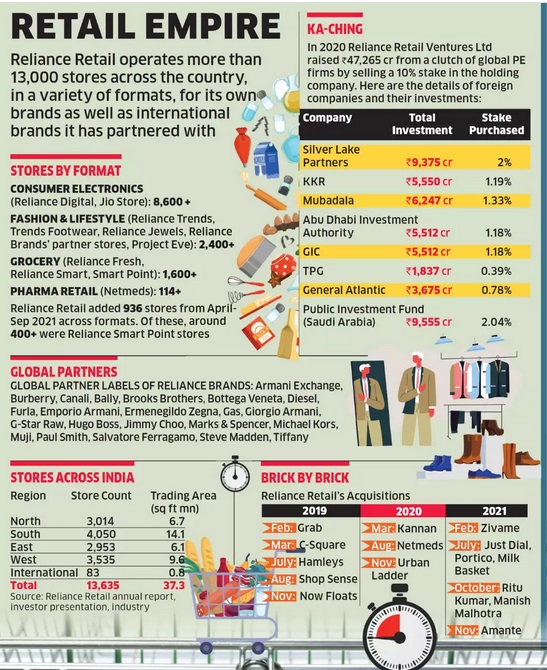
Reliance Retail aims to be one of the world’s top retailers, but for the last couple of years, it has been a buyer, not a seller. It has bought a string of retail brands — from online pharmacy Netmeds and online furniture retailer Urban Ladder to digital lingerie seller Zivame, online grocer MilkBasket and haute couture label Ritu Kumar. The latest acquisition was Sri Lankan lingerie brand Amante.
These acquisitions are crucial cogs in Reliance Retail’s further push into brick-and-mortar and ecommerce, and are part of Mukesh Ambani-led Reliance Industries Ltd (RIL) unit’s larger strategy: To break into the global top ten retailers. India’s largest retailer (by sales as well as by the number of stores) is currently ranked 53rd in the world, according to Deloitte’s Global Powers of Retailing 2021. Reliance Retail reported an annual revenue of $22 billion and a net profit of $750 million for the fiscal year ending March 2021.
At the same time, the company is looking beyond pure retailing. It’s pursuing a larger play to tap into the growing pie of the country’s overall consumption story — from contract manufacturing to distribution of everything from affordable fashion and consumer electronics to grocery products in India’s $850 billion annual retail market that is expected to swell to $1.3 trillion in the next few years. (Reliance did not respond to ET’s questionnaire.)
Analysts say Reliance’s overall plan is to engage India’s burgeoning consumers in its ecosystem one way or the other at any given point of time: shopping in its vast network of physical stores or on JioMart ecommerce platform, using Jio’s mobile or WiFi networks, watching movies on Jio Cinema, paying through Jio wallet so on and so forth that it is dubbed by the petroleum-to-telecommunications conglomerate as “retail plus” strategy.
“Their plan is to weave their products and services so deeply into your life that from morning to evening you are spending time and money on their networks either directly or indirectly,” says a top executive of an online grocery retailer. “Their idea is to constantly keep consumers engaged in a Jio bubble or in a Jio world.” The executive estimates India has a middle class of around 40 crore people. “Even if they succeed in capturing 10% of that wallet share, it is going to be huge,” he says.
That’s the reason Reliance Retail is betting big on business-to-business (B2B) ecommerce, with a digital wholesale marketplace along the lines of Alibaba for products such as smartphones, televisions, garments and grocery items, among other products, according to people aware of the plan. It’s looking to service a whole gamut of retailers in cities and villages.
Reliance has already started distributing its licencee products of Kelvinator- and BPL-branded consumer electronic items and its smartphone JioPhone Next, produced in collaboration with Google, to retailers outside of Reliance’s stable. The company also boasts a whole host of private brands and many of them are making inroads into general trade.
“The market for modern retail and ecommerce put together would be 15-20% in India. The rest 80% is still in the traditional market. If Reliance can make an entry into the traditional market and partner the smaller stores, the opportunity for growth and revenue is much more,” says an industry executive aware of the plans.
“Reliance’s approach is not to be a threat to small stores or merchants, but to be their enabler, provide them merchandise at best wholesale rates, upgrade their stores and even list them on their ecommerce platforms to help them reach newer consumers,” he adds.
Reliance is doing exactly that. Earlier this year, it started supplying Puric InstaSafe-branded FMCG products like soaps, home disinfectants and sanitisers to kiranas in Punjab and West Bengal. It is planning to roll these items nationwide. The company has put in place a marketing team for the first time to push these products. Similarly, B2B portal Ajio Business is selling T-shirts for Rs 79 onwards, a pair of jeans for Rs 220 and shirts for Rs 170 onwards to small businesses. Last quarter, Reliance Retail forayed into the wholesale business of medicines through Netmeds by roping in neighbourhood pharmacies under its B2B initiative.
These are some of the steps in the conglomerate’s bet not just on pure retail play but on end-to-end gameplay in the retail ecosystem, controlling manufacturing, wholesale, supply chain, ecommerce and payments.
To augment its digital wholesale plans, Reliance Retail has already converted its network of cash-and-carry outlets into fulfilment centres.
Analysts say Reliance’s ambitions are long-term and capital intensive and the company is ready for the long haul and to spend. “Reliance’s plan to rope in and aggregate many elements together — retailers, B2B buyers, suppliers, small players — and bring them on board takes time and is a capital-hungry business,” says Devangshu Dutta, chief executive of consulting firm Third Eyesight. “But controlling end-to-end is Reliance’s game plan in any business, including telecom, where it spans the entire value chain of not just providing the mobile network but also a digital interface with consumers.”
In a bid to feed its ambitious consumption plans, Reliance Retail is lapping up stores and warehouses nationwide to service both ecommerce and B2B sales through its “new commerce” omnichannel plans that will also involve legions of kiranas as last-mile delivery agents as well as buyers of Reliance’s products. Reliance Retail, which operates more than 13,000 stores of various formats, plans to open around 5,000 outlets of its Smart Point that would entail a convenience store, a pharmacy, agnostic centre, a telecom services and financial services products outlet all rolled into one across the country.
Reliance is planning to take this format to even tehsils, according to sources. Real estate agents and mall executives say Reliance is scouting for space for supermarkets, fashion outlets and jewellery and footwear stores.
They say Reliance is also planning to enter newer retail formats like a department store chain to compete with Shoppers Stop and Lifestyle. Also in the works is a Sephora-style beauty and cosmetics chain, they say.
“We will focus on expanding our store footprint multifold this year with co-located delivery hubs over the next few years. They will provide a strong network to reach and serve millions of merchants and customers,” Ambani said at the last AGM of shareholders.
Deloitte’s Global Powers of Retailing 2021 report ranked Reliance Retail as the world’s second fastest growing retailer, behind South Korea’s Coupang Corp.
Global financial and tech titans have taken notice of Reliance Retail’s play and pumped billions of dollars into it. Last year, the holding company Reliance Retail Ventures Ltd raised Rs 47,265 crore by selling about 10% stake to some of the biggest names in global private equity, including Silver Lake, KKR, General Atlantic, Abu Dhabi Investment Authority and TPG.
Reliance will continue with its acquisition spree, say analysts. However, Reliance Retail’s largest, the Rs 25,000 crore acquisition of Future Group, is bogged down by Amazon’s opposition to the proposed deal.
(Published in Economic Times)
