
admin
December 7, 2023
Christina Moniz, Financial Express
December 7, 2023
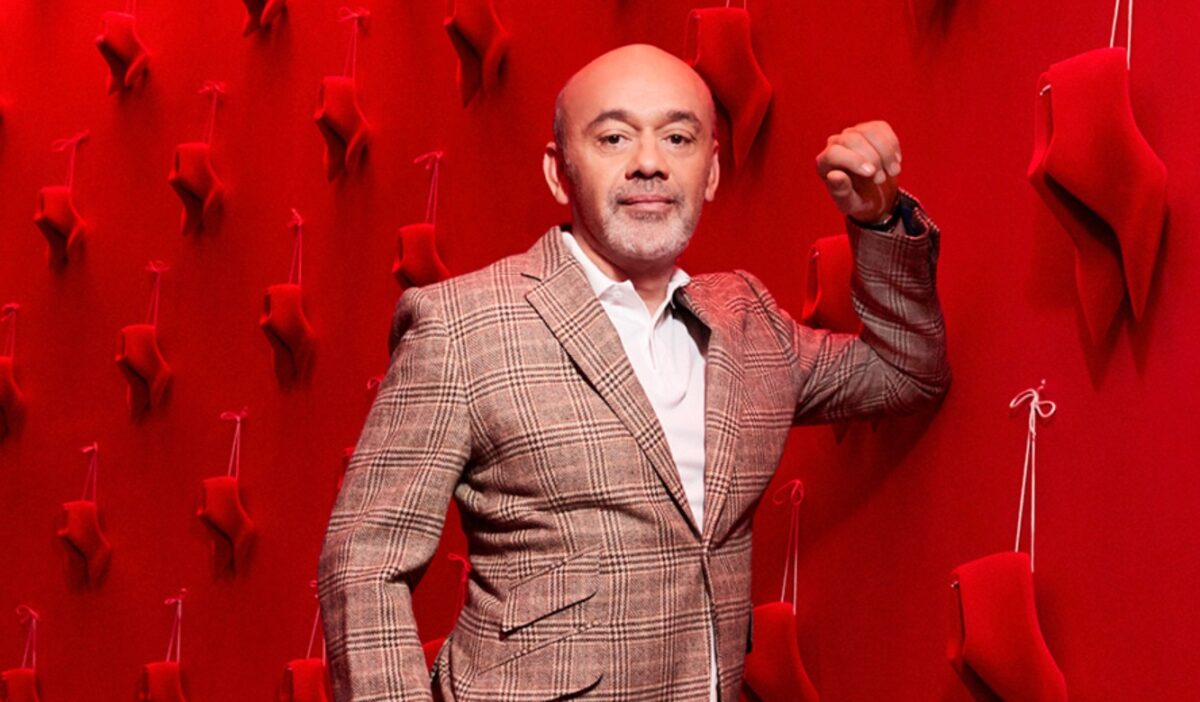
Aditya Birla Fashion and Retail (ABFRL) on Wednesday announced a partnership with Christian Louboutin, a designer brand known for its signature extremely high red-soled heels.
As per the terms of the deal, the current Indian business of the luxury shoemaker will be transferred into a newly-incorporated arm of ABFRL where the partners will hold equal stakes. Ashish Dikshit, MD, ABFRL, said in a statement, “This partnership… exemplifies our ambition to develop and shape the future of the luxury market in India.”
Christian Louboutin made its entry into the Indian market with its first store in Delhi in 2012 and later launched its second store in Mumbai. Announcing the JV, Alexis Mourot, Christian Louboutin Group CEO, said, “India is an extremely important market for us.”
The fact that luxury markets in Europe and even in China are seeing sluggish growth has made India a strong emerging opportunity for brands such as Christian Louboutin, note experts.
The brand, which was founded in Paris in 1991, has since diversified into categories such as handbags, accessories and beauty and is present in over 30 countries.
With this JV, ABFRL will be taking on Reliance Brands, which has partnered with global luxury brands such as Burberry, Ferragamo, Hugo Boss and Versace in India.
Devangshu Dutta, CEO of Third Eyesight, said, “For ABFRL, the ambition is to create a diverse portfolio of brands catering to a range of consumer segments.”
Having been in India for a while now, the Louboutin brand is well aware of the potential for growth in the market. One of the key factors driving growth for luxury is the rise of high net worth individuals (HNIs), which is the fastest growing anywhere in the world, say observers.
The number of ultra-high net worth individuals (UHNWIs) in India is expected to rise 58.4% in the next five years from 12,069 in 2022 to 19,119 in 2027, a report by Knight Frank said in May.
In recent years, India has also seen new luxury shopping destinations coming up in cities like Mumbai, Delhi and Chennai, but experts believe that the total addressable market and the number of luxury shopping centres are still small.
Though there is “potential”, notes Santosh Sreedhar, partner at Avalon Consulting, this segment will take a few years to really take off. “Luxury is a long-term game in India, which is why brands need to have Indian partners like Reliance and Aditya Birla with deep pockets and vision to stay committed for the long haul.” E-tailers like Tata Cliq are also enabling omnichannel growth, says Sreedhar.
With a revenue of Rs 12,418 crore, ABFRL has a strong network of 3,977 brand stores across the country. It is present across 33,535 multi-brand outlets and 6,723 points of sales in department stores across India as on March 31, 2023.
It has a repertoire of brands such as Louis Philippe, Van Heusen, Allen Solly and Peter England, besides long-term exclusive tie-ups with global brands like Ralph Lauren, Hackett London, Ted Baker and Galeries Lafayette. Among Indian designers, ABFRL has strategic partnerships with Shantnu & Nikhil, Tarun Tahiliani, Sabyasachi and House of Masaba.
(Published in Financial Express)
admin
November 4, 2023
Faizan Haidar, Economic Times
4 November 2023
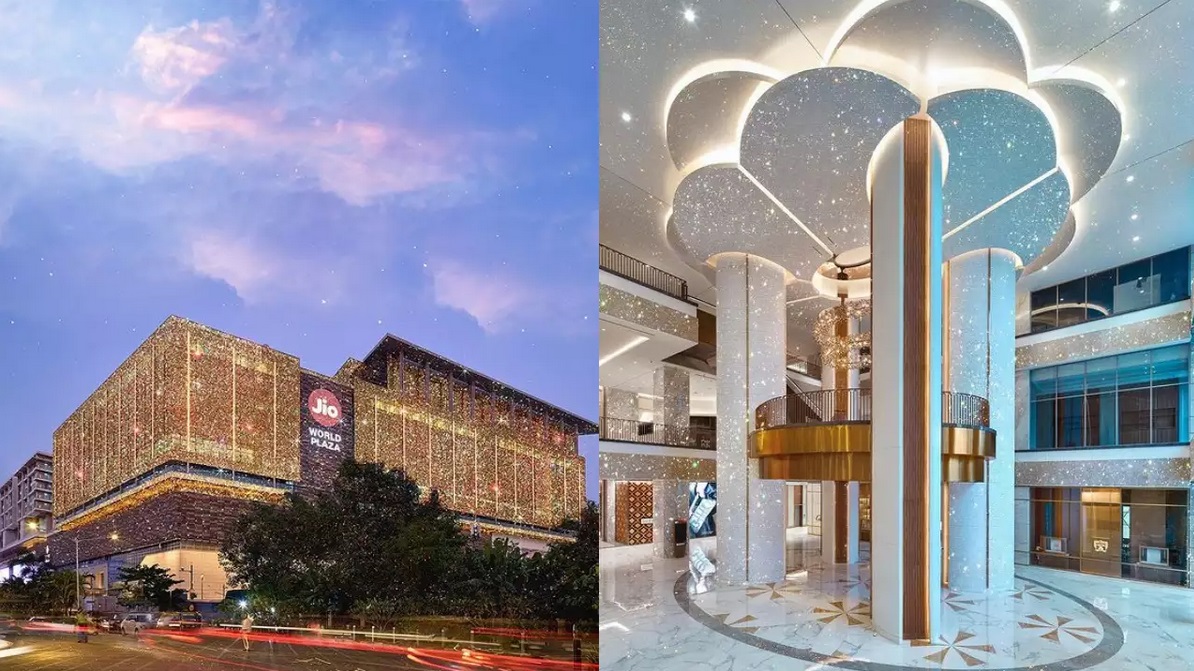
Some of the super-luxury brands that have opened stores at the recently inaugurated luxury mall, Jio World Plaza in Mumbai, have put in a condition that at least four top brands – such as Louis Vuitton, Gucci, Cartier, Burberry, Tiffany, Valentino, Bulgari, Zegna, Giorgio Armani and Bottega Veneta – should be present in the same complex, to ensure the position of their brands is not diluted.
ET has seen copies of the agreements between Reliance Industries, the owner of Jio World Centre, and five brands, accessed through data analytic firm CRE Matrix.
Reliance Industries and the brands did not respond to emails seeking comment till press time on Friday. Brands often have an exclusivity clause with the mall where they don’t want competing brands near their stores. However, in the high-end segment, to ensure a similar buyer profile, they want similar stores nearby. Jio World Plaza already meets the condition with several of these super-luxury brands having opened their outlets there.
“If at least four among the mentioned brands are not open within six months of us starting the operation, we should be entitled to a reduction of the licence fee by 25% for the period that this criteria remains unfulfilled,” Christian Dior Trading, which will operate Dior, has said in the agreement.
Dior will pay ₹21.56 lakh in monthly rent for a 3,317 sq ft space in the complex. Gucci has given a list of six luxury brands – Louis Vuitton, Dior, Cartier, Bulgari, Valentino and Burberry – and demanded that at least four have to be represented in the shopping centre.
Louis Vuitton, Cartier and Bulgari have also put in similar conditions. Most of them have kept the right to terminate the agreement after serving the notice for nine to 12 months.
“In the super-luxury segment, most of the brands complement each other and that is why they want the presence of these brands next to each other. Good mall developers also go with zoning of brands and don’t want to mix the super-luxury brands with the premium or mid to premium brands. As more luxury brands are contemplating India entry, we will see more luxury spaces coming up,” said Devangshu Dutta, founder of retail consulting firm Third Eyesight.
India only has a handful of malls that give space exclusively to super-luxury brands.

admin
August 26, 2023
Reliance Retail has established a dominant position and the growth trajectory remains robust – Devangshu Dutta of Third Eyesight tells Prashant Nair, Nigel D’Souza and Sonia Shenoy
admin
August 23, 2023
New Delhi, 23 August 2023
Bindu D. Menon, Financial Express
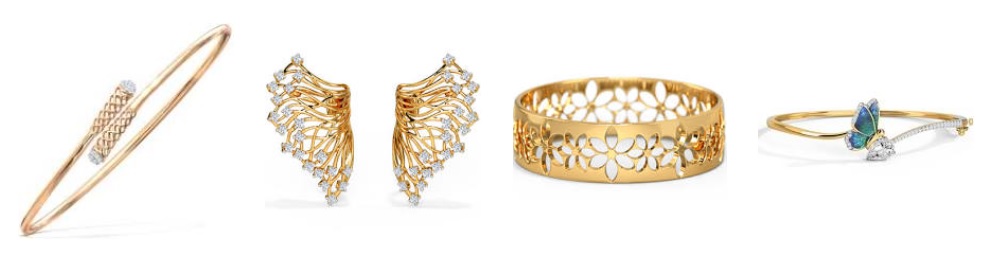
Tata Group’s Titan Company is not the only one to be bullish on the fine jewellery segment by recently raising its stake in CaratLane from 71.09% to 98.28% for a consideration of Rs 4,621 crore. Other corporate groups as well as private equity firms who have entered this segment are making investments and scaling up.
For instance, recently, Aditya Birla Group entered the gold jewellery market with the launch of Novel Jewels with an estimated investment of Rs 5,000 crore. It also plans to launch large-format jewellery formats and in-house brands.
“The younger generation’s changing style preferences and shopping habits have favoured the growth of jewellery chains and a shift in jewellery designs to lighter, more contemporary styles. This has also facilitated the delinking of the cost and the product price to some extent,” said Devangshu Dutta, Founder, Third Eyesight.
Analysts following the sector said that lighter weight jewellery have been a game changer for the industry. Moving away from the traditional 22 carats jewellery line, younger consumers are opting for 12, 14 and 18 carat jewellery in minimalist designs; a trend largely mimicked from the western markets.
From the companies’ perspective gross margins are invariably higher in design enhanced jewellery as compared to traditional designs.
Leading silver jewellery brand Giva jewellery too had recently bagged a Rs 200 crore funding led by Premji Invest to expand its product line. The round also saw participation from existing investors such as Aditya Birla Ventures, Alteria Capital and A91 Partners. Giva reportedly launches 250 new designs every month, as per the company’s disclosure.
“We look forward to leveraging Premji Invest’s playbook on omnichannel across several consumer brands and retail businesses to strengthen our leadership position and establish our pan India presence,” said Ishendra Agarwal, founder and CEO, Giva.
Giva plans to use the capital for inventory management and expanding its offline presence in India. The company has secured Rs 130 crore funding till date, excluding the current funding.
Fine jewellery in India are priced between Rs 5,000 to Rs 50,000. Major players in the segment include Caratlane, Tanishq, Bluestone among others.
(Published in Financial Express)
admin
August 18, 2023
Viveat Susan Pinto, Financial Express
August 18, 2023
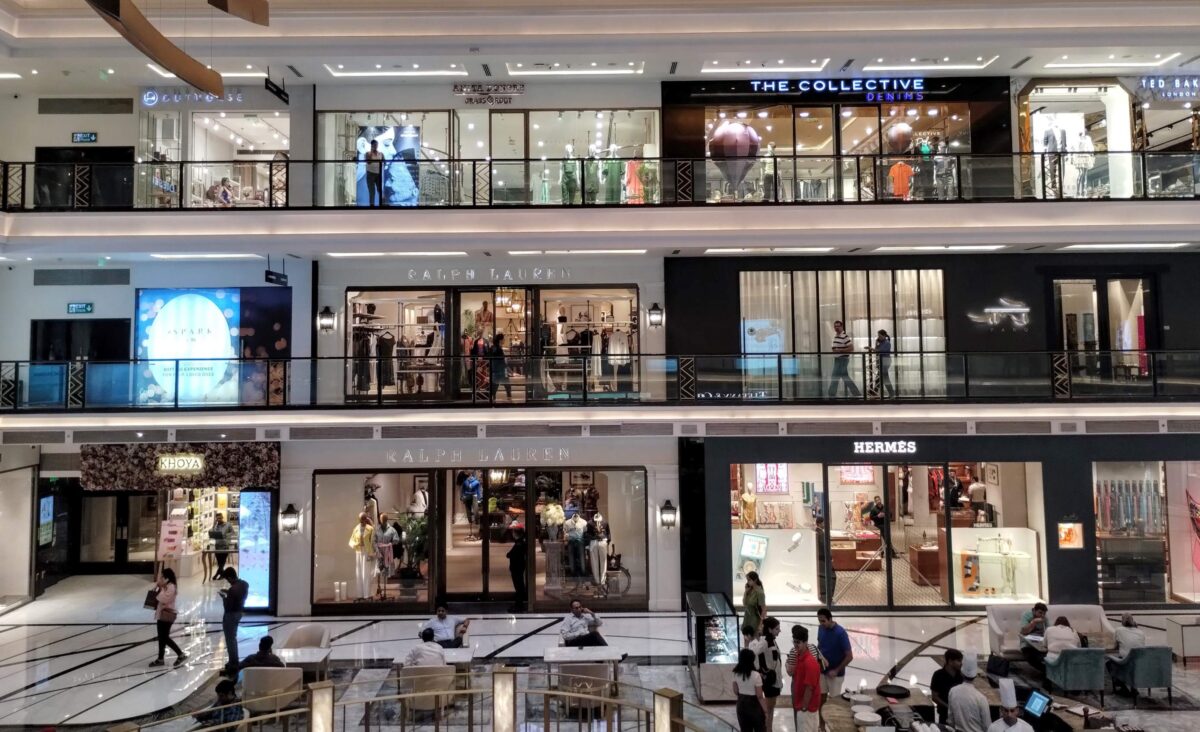
Retail activity in the country is set to increase with some 20 foreign brands likely to enter India in the next 6-8 months, according to retail consultants and experts. This is double the number of about 10 foreign brands that would enter India annually in the pre-pandemic period.
An attractive retail market and growing affluence and consumer tastes are among the key reasons for the interest shown by foreign brands in India, said experts. Also, large groups such as Reliance and Aditya Birla are open to partnerships with foreign brands, with Reliance Brands, part of Reliance Retail, in particular, being the most aggressive of the lot.
“Global markets are witnessing slowdown and recessionary concerns, which is hurting retail sentiment. In contrast, retail sentiment in India is upbeat despite food inflationary pressures. Spending across non-essential categories will also grow as the festive season nears,” said Abhinav Joshi, head of research, India, Middle East & North Africa at consultancy CBRE.
The consultancy on Thursday released a report which said that retail leasing activity in India had grown 24% year-on-year in the first half of CY2023, led by foreign and domestic brands. The second half of the year was also expected to see a strong double-digit rate of growth in terms of leasing activity, with overall retail leasing likely to touch 5.5-6 million sq. ft. at the end of the CY2023, second only to the peak of 6.8 million sq. ft. seen in CY2019.
Of the names eyeing an India-entry in the next few quarters include labels such as Italian luxury fashion brand Roberto Cavalli, American sportswear and footwear brand Foot Locker, Armani Caffe, the luxury cafe brand of Armani, British luxury brand Dunhill, Dubai’s Brands for Less, Old Navy and Banana Republic from Gap, Chinese brand Shein, Maison De Couture from Valentino, Spanish luxury brand Balenciaga, EL&N, a UK-based boutique cafe, Galleries Lafayette from Paris, Kiabi, Mavi, Damat, Dufy, Tudba Deri, Avva, Boohooman and Miss Poem, all apparel brands from Turkey and Europe, say industry sources.
Barring Galleries Lafayette which has tied up with Aditya Birla Fashion and Retail for its India entry, most other names are either talking to Reliance Brands (part of Reliance Retail) or have tied up with the company, persons in the know said. For instance, Balenciaga, EL&N, Shein, Gap’s Old Navy and Banana Republic, Armani Caffe, Maison de Couture from Valentino have tied up with Reliance Brands for their India entry. Executives at Reliance Brands were not immediately available for comment.
Most of these brands are eyeing a presence in cities such as Mumbai, Delhi-NCR, Bengaluru and Hyderabad in the first phase of launch, before expanding their presence to other cities such as Pune, Ahmedabad, Chennai and Kolkata.
“The India retail opportunity is a compelling one, which most foreign retailers don’t want to miss,” says Devangshu Dutta, chief executive officer at Gurugram-based consultancy Third Eyesight.
“Some of the brands who’ve come earlier have also tasted success especially in the fast fashion category. This is an indication that brand awareness is growing and that people are ready to spend on global products as discretionary incomes grow,” he says.
On Wednesday, Japanese fast fashion retailer Uniqlo said that it was setting up two new stores in Mumbai in October, after launching 10 stores in the north over the last four years. The company’s chief executive officer Tomohiko Sei indicated that the retailer was open to new markets and store openings, but would focus on Mumbai for now.
CBRE says that Mumbai has seen retail leasing grow by 14.6% year-on-year in the first half of CY2023 on the back of a push by foreign brands to acquire space in the city. Delhi-NCR, meanwhile, reported a higher 65% year-on-year growth in retail leasing in the first half of the year, led by retail activity by both foreign and domestic brands.
(Published in Financial Express)
