
admin
August 31, 2025
Akanksha Nagar, Storyboard18
31 August 2025
The latest round of US tariffs- a steep 50% duty that kicked in last week- is reshaping the playbook for Indian brands eyeing global markets. While exporters brace for tighter margins and logistical hurdles in the US, experts say this disruption could be a defining moment for Indian consumer brands to shine globally by leaning on innovation, design strength, and the untapped potential of India’s domestic consumption story.
“With the 50% tariffs kicking in, what will India do? Expect an inward-looking India! Expect a deep focus on #IndiaForIndia as marketers develop the India-consumption story for Indian produce. Expect even a Swadeshi movement Ver 3.0. MNCs in India face pressure,” says brand guru Harish Bijoor, founder of Harish Bijoor Consults Inc.
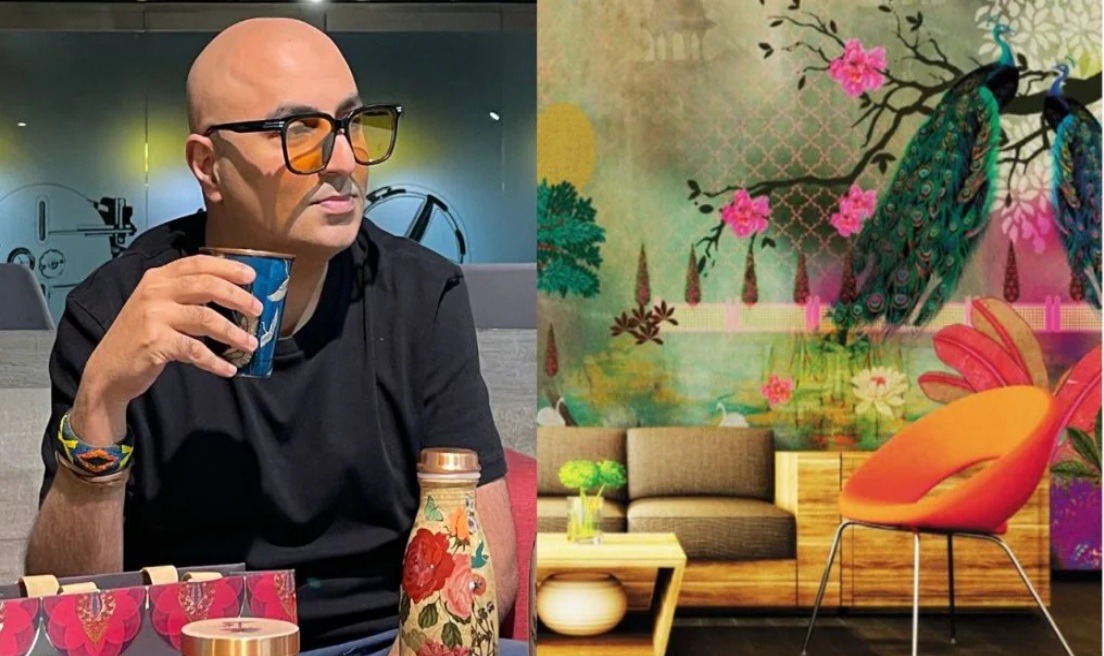
Riding high on this wave is India Circus, which is emerging as one of the fastest-growing players in the new-age home décor space. With a growing appetite for aesthetics, the brand is redefining how Indians furnish their homes. As urban consumers grow more design-aware and seek products that reflect personal taste and cultural identity, design-forward brands are carving out their own niche.
“Consumers today want more than just functionality. They want form, flair, and a sense of identity in their living spaces,” says Devangshu Dutta, founder and CEO of Third Eyesight. This shift, he explains, is creating tailwinds for brands that can deliver both design value and cultural resonance.
But he also adds a note of caution in the tariff context: “Indian brands that are being exported to the US face margin pressures and reduced US market access, both due to import tariffs and due to logistical barriers. They may need to hold inventory in the US to reduce the tariff and shipping impact, but that would also be at a certain cost and loss of agility.
It is an opportune time to focus on exports to other markets. Of course, no other single market would have the scale offered by the USA, so it will perhaps be more expensive and a more fragmented growth.”
Founded by Krsnaa Mehta and now part of the Godrej Enterprises Group, India Circus has found the sweet spot between Indo-contemporary aesthetics and wide accessibility.
From crockery with 22-carat gold accents to tropical wallpapers and statement furniture, its design-led offerings have struck a chord with India’s style-conscious consumers. The brand has also forayed into fashion, while preparing to tap international markets through a new e-commerce platform. “Design is not just an add-on for us; it is our core. Every collection begins with a story, and that’s what keeps our customers coming back,” says Mehta.
On the impact of Trump’s tariffs, Mehta clarifies that the brand remains largely insulated.
“Our major consumer base is in India, we have been focused on expanding our reach and tapping unexplored markets in India. India has so much potential- the newer markets of tier-2 cities like Lucknow, Gurugram, Chandigarh, Ambala are exceptional and the buying power of our consumers has increased significantly in the past few years. So we are not really worried about the tariffs, considering that our designing, production and selling is totally in India. Yes, we do export to the US, but it is not really comparable to what we do in India.”
Yet, he views the moment as a wake-up call for Indian brands globally.
“As a proud Indian brand, we have always been at the forefront of innovation, evolving our design aesthetics from bold prints to more contemporary ones. Our consumers are now visually informed and thus we must keep evolving. It is not just moving ahead but also embracing our roots and creating what is best for not just one but for all. India Circus has always tried to democratise design, by making it affordable and providing great quality at great prices.”
India Circus’s growth is fueled by an omnichannel strategy that blends a strong digital presence with 18 (soon to be 28) offline stores, while aggressively expanding in tier-2 cities.
The brand is targeting ₹400 crore in revenue by FY2026, up from its current ₹100 crore. Having recently launched international website to serve the Middle East and Asia, tt is also exploring categories such as gifting, licensing, and royalty-based partnerships, alongside plans to scale manufacturing. Warehousing in Europe and North America is also under evaluation.
“The growing demand for sustainable, high-quality products has contributed to our growth, as consumers increasingly seek out brands that share their values. Our designers leverage consumer insights, in-house research, and sales data to create products that are both stylish and relevant. We proudly invest in Indian craftsmanship and manufacturing, eschewing imports from countries like China. This approach not only supports local economies but also enables us to maintain quality standards,” Mehta says.
Meanwhile, brands like Chumbak, who were once synonymous with playful, funky aesthetics, have had a patchier journey in the domestic market. At one point, Chumbak had drawn strong private equity interest and grew aggressively, only to later downsize and recalibrate. But Bisen cautions against equating it with India Circus: “Chumbak has always been broader in scope, and that universality may have made it less nimble when it came to capturing specific consumer segments within home decor.”
India Circus, in contrast, has stayed tightly focused, defining its identity around a clear aesthetic and target audience. This discipline, experts say, is crucial in a market that’s growing but fragmented.
“Most brands in the design-led home space operate in sub-categories. Very few cover the full décor spectrum,” Dutta notes. “The key is having a well-defined look and sticking to it.”
According to Statista, in 2025, India’s home décor market was worth $2.13 billion and is projected to grow at a CAGR of 8.6% through 2029. In comparison, the US market stands at $37 billion.
India’s growth is powered by its rising middle class, a young population hungry for differentiated products, and cultural emphasis on interior design. With gifting and new household formation boosting demand further, design-led Indian brands are positioned for deeper expansion, both at home and abroad.
For now, India Circus is leading that charge, proving that even as tariffs disrupt trade flows, Indian creativity, design, and resilience are ready to outshine globally.
(Published in Storyboard18)
admin
August 21, 2025
Praveen Paramasivam, Reuters
August 21, 2025
Summary
India's luxury beauty market to quintuple by 2035
Domestic brands account for less than a tenth of sales
Global brands modify offerings for India
India’s luxury beauty market is expected to quintuple to $4 billion by 2035 from $800 million in 2023, driven by its young, affluent, social-media savvy shoppers with rising disposable incomes, consulting firm Kearney and luxury beauty distributor LUXASIA said in a report.
Luxury beauty makes up just 4% of the $21-billion beauty and personal care market, compared with 8% to 24% across top Southeast Asian countries and 25% to 48% in developed markets including China and the United States.
That means there is plenty of room for growth.
“India is the last bastion of growth for premium beauty,” said Sameer Jindal, managing director for investment bank Houlihan Lokey’s corporate finance business in India.
“The Indian consumer is willing to experiment and try out new things.”
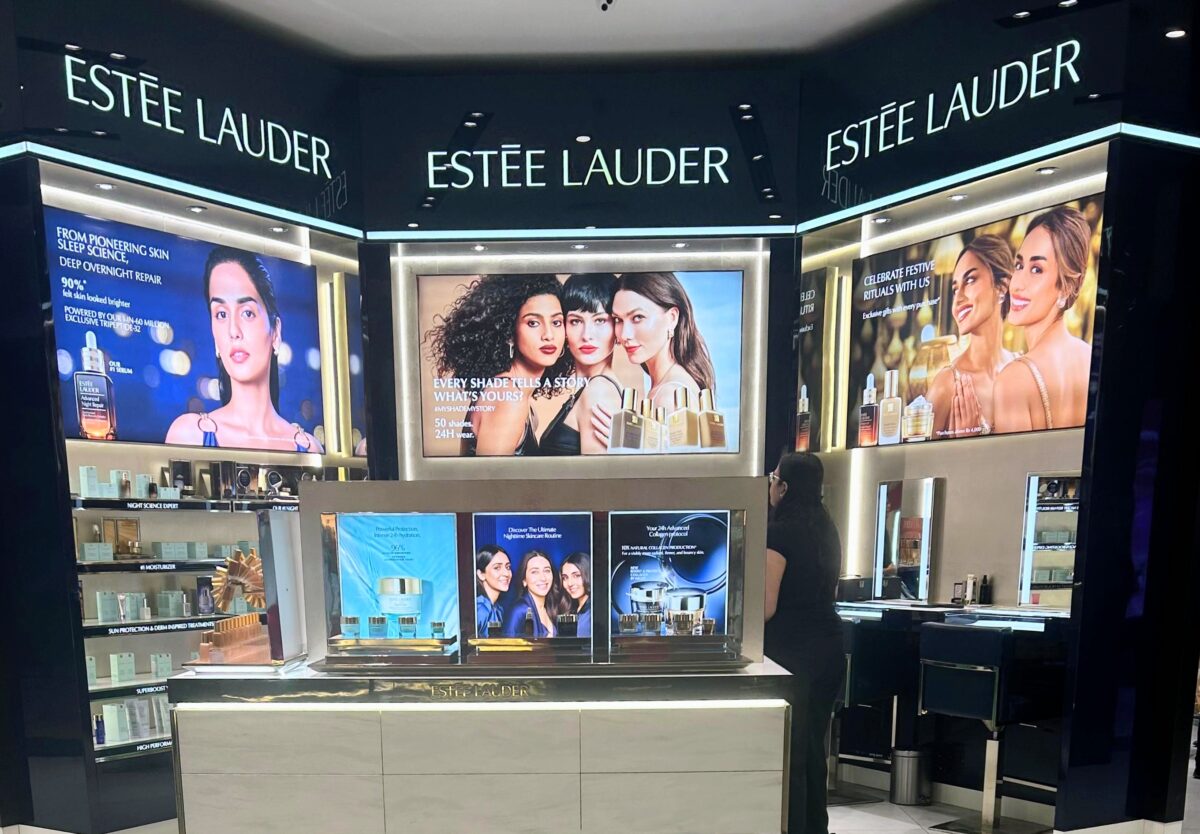
U.S. beauty giant Estee Lauder home to the brands Clinique and MAC, expects a strong runway for expansion and long-term growth in India, even as it grapples with soft sales in the Americas and Asia-Pacific.
“India today, within the Estee Lauder network, is looked at as one of the priority emerging markets,” said country general manager Rohan Vaziralli, highlighting plans to initially target 60 million women in the nation of more than 1.4 billion.
Homemaker R. Priyanka, based in the southern city of Chennai, said she was thrilled to have better access to Estee Lauder’s Jo Malone London fragrance in India, as a benefit of the companies’ efforts.
“It is easier than asking someone (abroad) to get it for you every time,” she added.
While global beauty brands might have to modify some of their products for India, which bakes in sultry temperatures in summer and oppressive humidity at other times, they face little competition from homegrown brands.
Kearney and LUXASIA identified only Forest Essentials and Kama Ayurveda as their major rivals, underscoring how domestic brands make up less than a tenth of luxury beauty sales.
In the more established markets of China, Japan and South Korea by comparison, domestic brands account for a 40% share.
“There is, of course, a premium perception gap between globally established brands and Indian brands,” said Devangshu Dutta, founder of retail consultancy Third Eyesight.
Global beauty giants’ huge marketing budgets also give them an edge over domestic brands, other industry watchers said.
WOOING INDIAN SHOPPERS
Estee Lauder is studying online sales patterns to identify the smaller cities to target, such as Siliguri in West Bengal state, partnering with designers such as Sabyasachi Mukherjee, and launching products such as kohl, an eyeliner Indians favour.
It has also invested in Forest Essentials, a brand with herbal ingredients, and in a programme offering funding to domestic beauty start-ups.
This year France’s L’Oreal said it was investing more in India and tapping into the “elevated beauty desires” of the nation’s young, digitally savvy, empowered women shoppers to drive growth. It declined further comment.
South Korea’s Amorepacific, known for brands such as Innisfree and Etude, is trying to leverage the Korean beauty craze in India with products geared to the market.
These include items for the popular “cleanser, serum, moisturiser, and sunscreen” beauty regimen, the country head, Paul Lee, said.
Japan’s Shiseido, with a history of more than 150 years, brought its NARS brand to Indian beauty retailer Nykaa’s website this year, and plans to step up growth of its brands in the subcontinent.
Global brands are very excited about India, where consumers are splurging more to stay on top of trends such as “cherry makeup”, Nykaa co-founder Adwaita Nayar said, referring to a look featuring flushed cheeks, glossy lips, and soft pink eyes.
Amazon, which has also been seeing a big boom in beauty demand in India, aims to identify emerging global trends and bring in more brands, said Siddharth Bhagat, director of beauty and fashion at the e-commerce company in India.
Retailer Shoppers Stop, which also pioneers foreign labels, plans to open 15 to 20 beauty stores in each of the next three years to boost its revenue from the segment to a quarter from less than a fifth now, its beauty business CEO Biju Kassim said.
Reporting by Praveen Paramasivam in Chennai; Editing by Dhanya Skariachan and Clarence Fernandez
(Published on Reuters)
admin
May 7, 2025
Shalinee Mishra, Exchange4Media
May 7, 2025
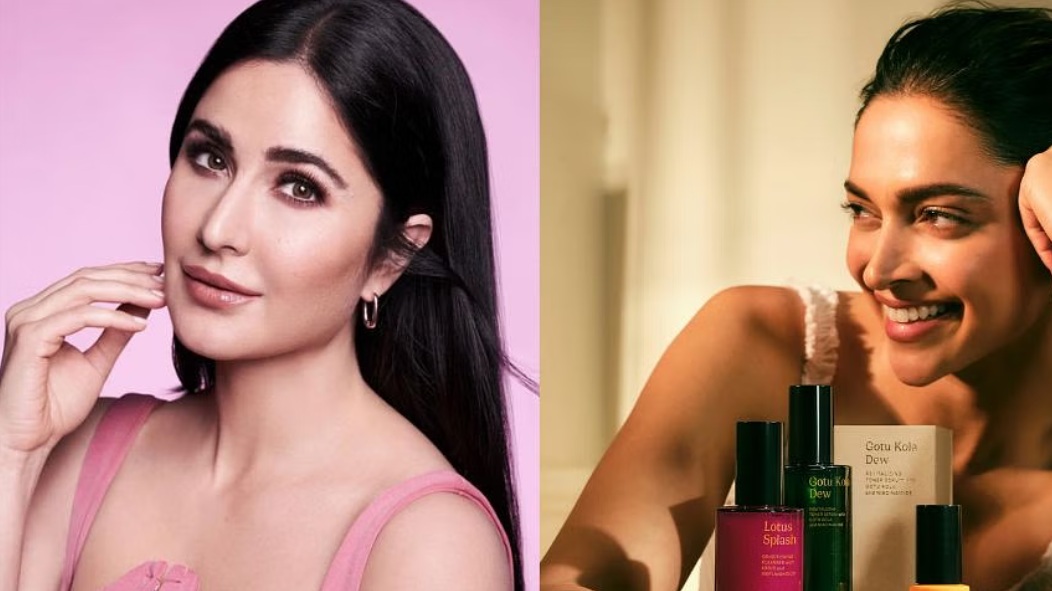
Bollywood’s biggest stars, Katrina Kaif and Deepika Padukone, have reputed beauty businesses to their names — Kay Beauty and 82°East, respectively.
Kay Beauty, launched in late 2019 in partnership with Nykaa, has crossed the ₹200 crore revenue mark in 2024. In contrast, 82°E, launched by Deepika in November 2022, has managed around ₹25 crore, according to industry estimates.
Both actors have massive social media pull, strong brand equity, and sizable fan followings. They are matched in popularity, but the same cannot be said about their respective brands. One clearly has an edge over the other. In this case, it is Kay Beauty.
What went wrong with 82°E?
A core difference between the two brands is pricing.
Kay Beauty’s average product is priced affordably at around ₹299, making it accessible to a large portion of Indian beauty consumers. It hits the sweet spot of mass affordability and aspirational branding.
Katrina seems to have built the line keeping in mind India’s price-sensitive but beauty-conscious audience, especially women who look for functional, everyday products without shelling out a fortune.
On the other hand, 82°E positions itself as a luxury skincare brand, with products starting at ₹2,500 and going up to nearly ₹4,000. While targeting the premium market is a valid strategy, it demands either a very clear value proposition or a unique, standout offering that sets it apart from both domestic and global competitors.
According to multiple marketing and retail experts, 82°E currently lacks such a defining “hero” product. In contrast, top-tier global brands like Estée Lauder (Advanced Night Repair) and L’Occitane (Immortelle Divine Cream) have built their entire portfolio identity around one or two iconic products.
Devangshu Dutta, CEO of retail consultancy Third Eyesight, cautions against overestimating the power of celebrity equity alone. “Celebrity involvement, even with an equity stake, doesn’t automatically ensure brand success,” he says. “What matters is how well the product and brand resonate with the end consumer. Many factors—category selection, pricing, accessibility, and retail strategy—determine scalability.”
He adds, “A high-priced D2C brand with limited-use products will always scale slower than a more affordably priced, high-rotation brand with widespread retail availability.”
Missing the emotional connect
Another crucial area where 82°E falters is brand recall without Deepika. Experts argue that if Deepika’s face were to be removed from the branding, very little would remain to emotionally anchor consumers.
While celebrity-founded brands enjoy the initial boost of recognition, long-term consumer connection demands storytelling, product efficacy, and relevance.
For a product priced between ₹2700–₹3900, the experience and results need to justify the cost. But user feedback suggests the perceived benefits don’t dramatically exceed what one might get from a ₹999 serum in the market.
Katrina’s Kay Beauty, in contrast, positioned itself as a homegrown solution for Indian skin types, with products that worked well for deeper skin tones and humidity-prone weather.
The brand tapped into inclusivity and practicality—two emotional hooks that resonate deeply with Indian consumers. Additionally, it responded to functional needs by launching waterproof and sweat-resistant products, which especially make sense during monsoons.
On Instagram, Katrina actively promotes her products, collaborates with influencers, and shares content that resonates with her target audience. In contrast, Deepika’s brand presence on social media lacks the same level of relatability and consistent engagement, suggesting a need for a more tailored and active digital strategy.
Link: https://www.instagram.com/reel/DI_wjSRoZTM/? utm_source=ig_web_copy_link&igsh=MzRlODBiNWFlZA==
https://www.instagram.com/reel/DIWHG1DSR5f/?utm_source=ig_web_copy_link&igsh=MzRlODBiNWFlZA==
Retail footprint and distribution strategy
Skincare, particularly in the premium category, remains an experiential purchase. Consumers often want to try and test products before committing, especially at a higher price point. 82°E launched as a D2C-only brand, relying heavily on its website and social media advertising for discovery and sales with no store opening.
The strategy meant substantial upfront investment in paid media and influencer partnerships to generate traction, but lacked the physical visibility or tactile experience needed to convert high-end skincare buyers.
In contrast, Kay Beauty quickly became visible across Nykaa’s extensive online and offline retail network, giving shoppers a chance to explore products across price tiers in-store and online. The Nykaa tie-up served not only as a strong distribution engine but also as a brand endorsement in itself, given the platform’s dominant position in Indian beauty retail.
As Kushal Sanghvi, a media and marketing strategist, puts it, “Kay Beauty got its pricing, packaging, promotion, and place—basically the key P’s of marketing—spot on. Deepika’s brand, though elegant, is caught in a niche premium wellness space with limited scale.”
Kay Beauty was developed with a clear understanding of what works in India: colour cosmetics tailored for Indian skin tones and seasonal weather. The brand focused on frequently-used products like lipsticks, kajal, and foundation sticks that had both a functional and emotional appeal, allowing it to drive repeat purchases.
In contrast, 82°E focused on skincare rooted in self-care and holistic wellness, a space that is already crowded with local and international competitors, and where product effectiveness needs to be proven over time. Moreover, Indian consumers still tend to see skincare as utilitarian, rather than indulgent, which makes higher pricing even more of a challenge.
Short-Term Results vs. Long-Term Vision
It’s important to contextualise these figures within brand age. Luxury brands, globally, have often taken decades to establish loyalty. From Estée Lauder to Chanel, brand equity is built slowly through repeated use, reliable results, and consistent positioning.
But time alone won’t change the equation unless the core approach is recalibrated. If Deepika’s brand intends to build a long-lasting business, it will need to think beyond elite appeal and D2C strategy. Offline presence, a wider retail network, and possibly a reimagining of its product portfolio to include lower price points or trial-sized options could open the door to a broader consumer base.
India’s beauty and wellness market is growing at over 15% year-on-year, and opportunities abound at both the premium and affordable ends of the spectrum. But clarity of positioning and accessibility remain critical to long-term success.
(Published in Exchange4Media)
admin
January 26, 2024
Sagar Malviya, Economic Times
Mumbai, 26 January 2024
Hindustan Unilever and United Spirits together present a study in contrasts that seemingly reinforces the current purchasing trends in India’s consumption sector. At the country’s biggest consumer-goods and alco-bev companies, respectively, premium brands are flying off the shelves, but mass-priced products remain relative stragglers.
“At the premium and luxury ends, they (consumers) are continuing to spend, continuing to experiment, continuing to do repertoire drinking, especially experimenting with the white spirits, drinking at home,” Hina Nagarajan, managing director at Diageo-controlled United Spirits, told investors in a post-earnings call. “However, Middle India, or the value-oriented consumer, is actually cutting down on the number of occasions (to spend) to manage their money.”
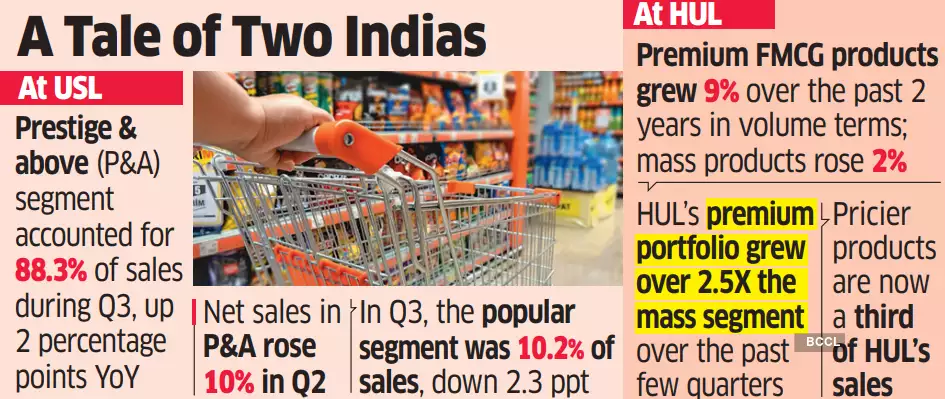
The maker of Johnnie Walker and Smirnoff posted a 12.4% volume decline in the mass-priced segments, while pricier prestige and above categories saw a 10% growth during the December quarter. The Indian unit of the world’s biggest distiller said it expects this trend in purchasing behaviour to continue over the next couple of quarters.
At Hindustan Unilever, the country’s biggest consumer company by both sales and market value, the story isn’t vastly different. The FMCG bellwether said its premium portfolio expanded more than two-and-a-half times the mass segment over the past few quarters.
This trend was seen even in the rural areas that make up nearly half the annual sales at the maker of Dove soaps and Glow & Lovely skin creams. Pricier products now constitute a third of Hindustan Unilever’s total sales. “In rural areas, there are people who can afford and spend money, and hence, the premium portfolio in has also grown well – like it has grown in urban parts of the business,” Rohit Jawa, managing director, Hindustan Unilever, told investors after the December-quarter earnings. “We have always seen that essential and discretionary are the two realities of (the) rural (market).”
Incomes & Business Cycles
This dichotomy in purchase decisions appears to be a function of income disparity and is market-agnostic, experts believe. For instance, rural India that accounts for nearly 40% of the overall FMCG market saw a noticeable drop in demand for a year due to inflation and erratic monsoons. Cities, meanwhile, appear to be at the vanguard of overall consumption demand across categories as urban incomes, typically linked to organised sectors of the economy, are more resilient to business cycles and promise better protection against broader inflationary pressures. “Even if the consuming class, mainly upper and middle class, saw an impact on their incomes, it is still not significant to affect their discretionary spends,” said Devangshu Dutta, founder of Third Eyesight, a strategy consulting firm. “There is a buffer available for higher income growth and it will hit them later in any economic downturn. At present, it is felt in the lower-income segment.”
Over the past decade and a half, consumer companies expanded sales by pushing both pricier and affordable products. Companies still have budget-friendly options in their portfolio, but lower incomes, especially in rural areas, appear to have dented purchasing power at the budget end of the market. “The real pressure on the wallet is on the lower side, where we do see upgrades are not happening from country liquor to either the popular category or the lower end of prestige,” said Nagarajan at United Spirits.
(Published in Economic Times)
admin
December 7, 2023
Christina Moniz, Financial Express
December 7, 2023
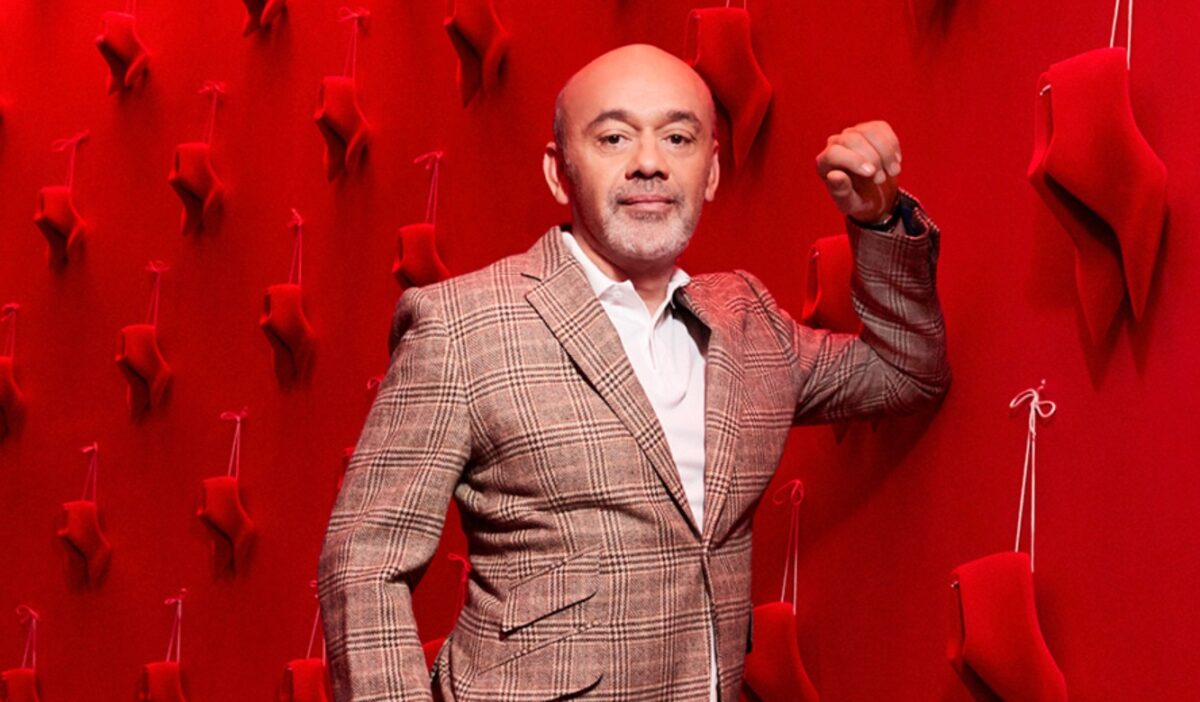
Aditya Birla Fashion and Retail (ABFRL) on Wednesday announced a partnership with Christian Louboutin, a designer brand known for its signature extremely high red-soled heels.
As per the terms of the deal, the current Indian business of the luxury shoemaker will be transferred into a newly-incorporated arm of ABFRL where the partners will hold equal stakes. Ashish Dikshit, MD, ABFRL, said in a statement, “This partnership… exemplifies our ambition to develop and shape the future of the luxury market in India.”
Christian Louboutin made its entry into the Indian market with its first store in Delhi in 2012 and later launched its second store in Mumbai. Announcing the JV, Alexis Mourot, Christian Louboutin Group CEO, said, “India is an extremely important market for us.”
The fact that luxury markets in Europe and even in China are seeing sluggish growth has made India a strong emerging opportunity for brands such as Christian Louboutin, note experts.
The brand, which was founded in Paris in 1991, has since diversified into categories such as handbags, accessories and beauty and is present in over 30 countries.
With this JV, ABFRL will be taking on Reliance Brands, which has partnered with global luxury brands such as Burberry, Ferragamo, Hugo Boss and Versace in India.
Devangshu Dutta, CEO of Third Eyesight, said, “For ABFRL, the ambition is to create a diverse portfolio of brands catering to a range of consumer segments.”
Having been in India for a while now, the Louboutin brand is well aware of the potential for growth in the market. One of the key factors driving growth for luxury is the rise of high net worth individuals (HNIs), which is the fastest growing anywhere in the world, say observers.
The number of ultra-high net worth individuals (UHNWIs) in India is expected to rise 58.4% in the next five years from 12,069 in 2022 to 19,119 in 2027, a report by Knight Frank said in May.
In recent years, India has also seen new luxury shopping destinations coming up in cities like Mumbai, Delhi and Chennai, but experts believe that the total addressable market and the number of luxury shopping centres are still small.
Though there is “potential”, notes Santosh Sreedhar, partner at Avalon Consulting, this segment will take a few years to really take off. “Luxury is a long-term game in India, which is why brands need to have Indian partners like Reliance and Aditya Birla with deep pockets and vision to stay committed for the long haul.” E-tailers like Tata Cliq are also enabling omnichannel growth, says Sreedhar.
With a revenue of Rs 12,418 crore, ABFRL has a strong network of 3,977 brand stores across the country. It is present across 33,535 multi-brand outlets and 6,723 points of sales in department stores across India as on March 31, 2023.
It has a repertoire of brands such as Louis Philippe, Van Heusen, Allen Solly and Peter England, besides long-term exclusive tie-ups with global brands like Ralph Lauren, Hackett London, Ted Baker and Galeries Lafayette. Among Indian designers, ABFRL has strategic partnerships with Shantnu & Nikhil, Tarun Tahiliani, Sabyasachi and House of Masaba.
(Published in Financial Express)
