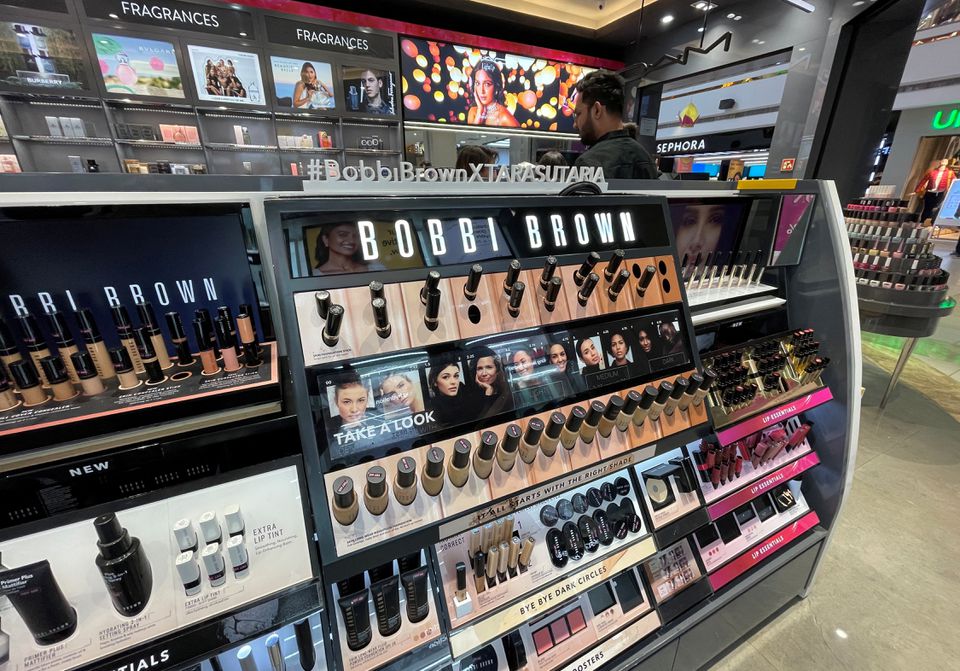
Written By Aditya Kalra NEW DELHI, Nov 16 (Reuters) - India's Tata Group is planning to open at least 20 "beauty tech" stores where it will use virtual makeup kiosks and digital skin tests to get young, affluent shoppers to buy premium cosmetic products, according to a company document and a person familiar with its strategy. The move pits Tata, whose interests range from cars to jewellery, against LVMH's (LVMH.PA) Sephora and domestic rival Nykaa (FSNE.NS) for a share of the fast-growing $16 billion beauty and personal care market in the world's second-most populous country. Tata is eyeing what it…
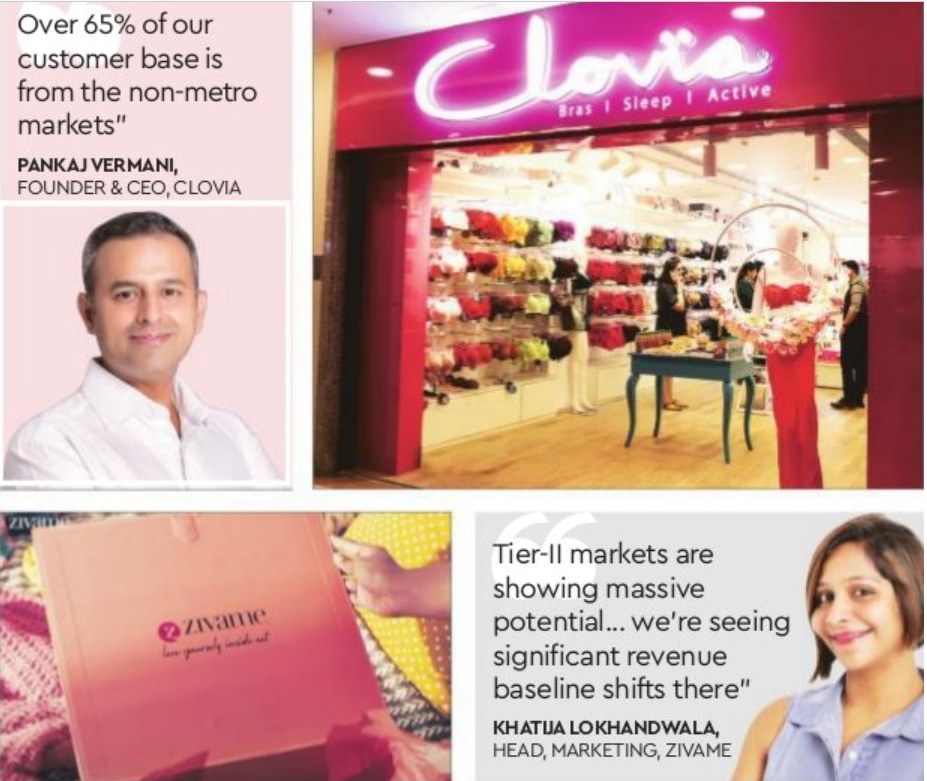
Christina Moniz, Financial Express / BrandWagon November 4, 2022 Direct-to-consumer (D2C) lingerie brands, often credited with transforming the category and the way women shop for innerwear, are expanding their offline footprint in response to growing demand from tier-II markets and beyond. Zivame, whose journey began online just over a decade ago in 2011, has grown its offline presence to over 120 stores and also sells through over 4,000 partner outlets. In its recently concluded Grand Lingerie Festival, Zivame saw its sales grow three times,with a 120% increase in new customer acquisition. "Tier-II markets are showing massive potential and though tier-1…
The organised traditional snacks market in India is expected to double to Rs 20,400 crore by fiscal 2026, according to Bikaji Foods, aided by rapid urbanisation, a shift towards branded products and export demand. Written By Devika Singh Bikaji Foods is the largest manufacturer of Bikaneri bhujia with an annual production of 29,380 tonnes. (Image credit: www.bikaji.com) A few years back, chips and kurkure packets would mostly adorn aisles in grocery shops across the country but now they jostle with enticingly packed bhujia, sev and other local savouries. The upcoming initial public offering (IPO) of Bikaji Foods has put the…
Written By Faizan Haidar, ET Bureau Synopsis "Physical spaces are built to encourage lifestyle-oriented consumption, moving away from hard sales push. Hence, given the current retail real estate supply, there is a strong likelihood that retail spaces where experiences can be curated will be in short supply even in large cities," said Anshul Jain, managing director, India and Southeast Asia. India's top three cities will need 9 million square feet of retail space every year till 2027 to reach the level of organised retail area available in a country to match cities of a small country like Vietnam's retail space…
By Pranav Balakrishnan & Writankar Mukherjee Global retail giants Walmart and Ikea continued to bleed in India as their losses widened in 2021-22, despite a surge in sales, as per the latest regulatory filings. Three of Walmart entities in the country – Flipkart Internet, which operates the namesake e-commerce marketplace, Myntra and Walmart India, which operates Flipkart Wholesale stores (formerly known as Best Price) that sells goods to mom-and-pop stores, all expanded losses by 40-50% largely due to higher spending on delivering orders, advertisement and promotions, while their revenues grew by up to 45%. Ikea India’s net loss too went…
Geopolitical friction has again sparked renewed concerns over inflation and rising input costs for FMCG companies as @itmeansjustice @whysnavi write. @devangshu commented.